Osteopathy and Stress: Understanding How Stress Affects Your Body in Aix-en-Provence
5 min read
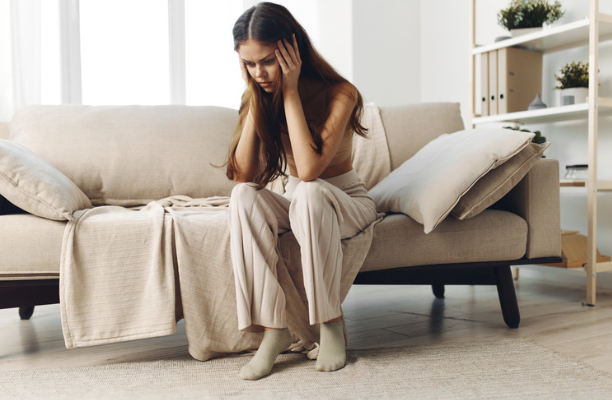
Stress is part of everyday life. Work pressures, family responsibilities, emotional challenges, hormonal changes and major life events can all affect our physical and emotional well-being.
Sometimes, the body expresses what the mind struggles to release: neck tension, back pain, a clenched jaw, shallow breathing, persistent fatigue or disrupted sleep.
Osteopathy offers a hands-on, holistic approach to the body and may help people experiencing physical tension associated with stress.
As an osteopath in Aix-en-Provence, I offer individual consultations based on your needs, symptoms and personal history, taking into account the relationship between the body and emotional well-being.
How does stress affect the body?
Stress is a natural response to situations perceived as challenging or demanding. When it becomes frequent or prolonged, it can have an impact on the way the body functions.
Stress does not only manifest as anxiety or nervousness. It can also lead to a range of physical symptoms, including:
- Muscle tension: tight shoulders, a stiff neck, upper back discomfort or lower back pain.
- Jaw tension: clenching your teeth, facial tightness or tension around the temples.
- Sleep disturbances: difficulty falling asleep, waking during the night or feeling unrefreshed in the morning.
- Persistent fatigue: feeling exhausted, lacking energy or struggling to recover.
- Digestive discomfort: bloating, abdominal tension or changes in digestion.
- Headaches: headaches associated with muscle tension or periods of increased stress.
These symptoms vary from person to person. They are not necessarily caused by stress and may require appropriate medical assessment, particularly when persistent.
Why does stress cause physical tension?
When we experience stress, the autonomic nervous system helps prepare the body to respond to a perceived threat or challenge.
Heart rate may increase, breathing patterns may change and certain muscles may become more tense.
When this response is repeated over time, the body may find it harder to return to a state of relaxation.
This can contribute to:
- Increased tension in the neck, shoulders and back.
- Shorter or shallower breathing, with greater involvement of the upper chest and accessory breathing muscles.
- Jaw and facial tension.
- Reduced sleep quality and recovery.
Stress is therefore not simply something we experience mentally. It can also influence our physical sensations, posture, breathing and ability to recover.
How can osteopathy help with stress-related tension?
Osteopathy does not directly treat psychological stress and is not a substitute for medical or psychological care when needed.
However, it may offer complementary support when stress is accompanied by physical tension, discomfort or muscular stiffness.
An osteopathic consultation begins with listening to your concerns and assessing your symptoms, medical history and overall physical comfort.
Depending on your individual needs, treatment may focus on:
- Neck and upper back tension.
- Rib cage mobility and breathing mechanics.
- Abdominal and diaphragmatic tension.
- Areas of muscular tightness.
- Overall body mobility.
Techniques are selected according to your symptoms, medical history, preferences and sensitivity.
The aim is to improve physical comfort, support mobility and encourage a greater sense of bodily relaxation.
A holistic approach: the connection between body and emotions
The body and emotions are closely connected. Professional pressure, personal difficulties, major life changes and accumulated fatigue can all have physical effects.
This is why I favour a holistic approach that looks beyond the area of pain or discomfort.
My approach combines osteopathic principles with particular attention to the relationship between the body, emotional well-being and lifestyle.
Traditional Chinese Medicine (TCM) also provides a complementary perspective on these interactions, including concepts of circulation and energetic balance.
Every consultation is different. There is no standard treatment protocol for everyone experiencing stress.
Taking the time to listen, understand your circumstances and adapt the techniques allows me to offer individualised care.
When should you see an osteopath in Aix-en-Provence for stress-related tension?
You may consider an osteopathic consultation if you experience:
- Recurrent tension in your neck and shoulders.
- Back pain that appears or worsens during stressful periods.
- A general feeling of physical tightness.
- Difficulty releasing muscular tension.
- Physical discomfort associated with fatigue or emotional overload.
You do not need to wait until your discomfort becomes severe before seeking support for your physical well-being.
However, new, intense or persistent symptoms should be assessed by a medical professional. If stress is significantly affecting your mental health, support from a qualified mental health professional may also be appropriate.
How can you manage stress in everyday life?
Osteopathy can be part of a broader approach to managing the physical effects of stress.
A few everyday habits may help support your well-being:
Make time for breathing
Taking a few minutes to slow down your breathing, without forcing it, may help you feel calmer and more relaxed.
Stay physically active
Walking, yoga, gentle stretching and other activities suited to your abilities can help maintain mobility and support recovery.
Prioritise sleep
Keeping regular sleep schedules and creating a relaxing bedtime routine may help improve sleep quality.
Allow yourself to take breaks
Recognising the signs of overload and respecting your own limits are important steps in preventing tension from accumulating.
Seek support when needed
If stress becomes overwhelming or persistently affects your daily life, it is important to seek appropriate professional support.
Book an osteopathy consultation in Aix-en-Provence
I am Alexandra Vives, a qualified osteopath (Ostéopathe D.O.) practising since 2010, with consultations available in Aix-en-Provence and Cadenet.
My approach is based on a holistic understanding of the body, combining osteopathy, attentive listening and consideration of both physical and emotional well-being.
Each consultation is tailored to your individual situation, whether you are experiencing muscle tension, recurring pain or physical discomfort during a period of fatigue or increased stress.
Appointments are available by booking through Doctolib.
Taking care of your body also means learning to recognise its needs and giving it the time it needs to recover.
Frequently Asked Questions About Osteopathy and Stress
Can osteopathy help with stress?
Osteopathy may help address some of the physical symptoms associated with stress, particularly muscle tension and certain types of discomfort. It does not directly treat psychological stress or anxiety disorders.
Can stress cause back and neck pain?
Yes. Stress can contribute to increased muscle tension, particularly around the neck, shoulders and back. However, other causes should also be considered if pain persists.
Can I see an osteopath if I feel exhausted or mentally overwhelmed?
Yes. An osteopathic consultation may be considered if you are also experiencing physical tension or discomfort. Persistent fatigue should nevertheless be medically assessed.
How many osteopathy sessions will I need?
There is no fixed number of sessions. This depends on your symptoms, how long you have experienced them, how they develop and your individual needs. Any follow-up is tailored to your situation.
Read next


Everyday wellbeing
Pink October: Looking After Women’s Health Beyond Breast Cancer Screening

Femme & maternité