Lymphatic drainage: what is the difference between osteopathy and physiotherapy?
3 min read
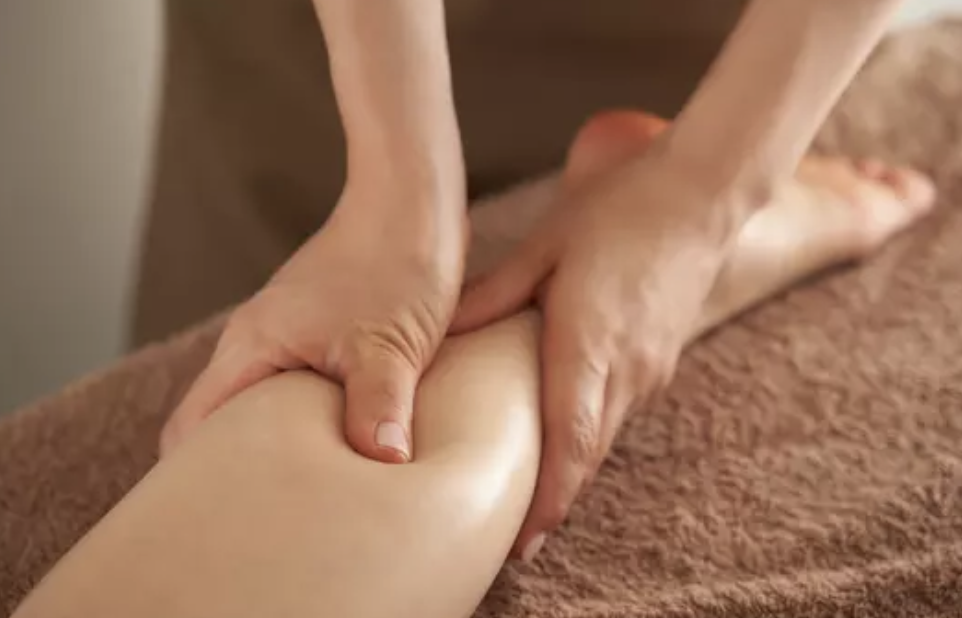
Lymphatic drainage is a manual technique that more and more people seek out to relieve heavy legs and water retention, or to improve recovery after sport. Yet many patients wonder what the difference is between drainage performed by a physiotherapist and an approach integrated into an osteopathy session.
The two professions do not work within the same framework and do not pursue the same objectives. Here is what you need to know.
What is lymphatic drainage?
The lymphatic system plays an essential role in the circulation of fluids, the elimination of waste and immune function. When this circulation slows down, various sensations can appear:
- heavy legs;
- swelling;
- a feeling of congestion;
- water retention;
- circulatory fatigue;
- slower recovery after exercise.
Lymphatic drainage covers a range of manual techniques designed to support the circulation of fluids in the body.
Lymphatic drainage in physiotherapy
In physiotherapy, lymphatic drainage is carried out for therapeutic and medical purposes. It is often performed on medical prescription in specific situations such as:
- lymphoedema;
- post-surgical recovery;
- certain venous or lymphatic conditions;
- post-traumatic oedema;
- care following cancer treatment.
The physiotherapist then works within a specific medical framework, with protocols adapted to each condition.
The main objective is therapeutic.
Drainage integrated into osteopathy: a functional, whole-body approach
In osteopathy, the approach is different. Circulatory and drainage techniques can be used for functional disorders and as part of whole-body care.
The osteopath does not treat a medical lymphatic condition but seeks to improve:
- tissue mobility;
- the circulation of fluids;
- mechanical tension that can hinder venous and lymphatic return;
- the overall balance of the body.
The techniques used may be indicated for:
Heavy legs
Very common with prolonged standing, heat or circulatory fatigue.
Water retention
Some people experience a stagnation of fluids linked to lifestyle, hormonal variations or a lack of mobility.
Premenstrual syndrome
Many women experience swelling, a feeling of congestion or heavy legs before their period.
Sports recovery
After intense exercise, certain osteopathic techniques can help improve tissue and circulatory recovery.
A general feeling of congestion
Stress, tiredness, lack of sleep or a sedentary lifestyle can also affect circulation.
Personalised care
In osteopathy, drainage is not limited to a local technique. The practitioner can also work on:
- the diaphragm;
- the pelvis;
- abdominal mobility;
- breathing;
- muscular and fascial tension;
- posture.
This whole-body approach aims to promote a better functional balance in the body.
Osteopathy and physiotherapy: two complementary professions
It is not a matter of setting the professions against each other, but of understanding their respective indications.
The physiotherapist works within a medical therapeutic framework.
The osteopath can use circulatory and drainage techniques for functional disorders and overall wellbeing.
Each course of care must be adapted to the patient’s needs and state of health.
When to consult?
A consultation may be worthwhile in cases of:
- heavy legs;
- a feeling of swelling;
- difficult recovery after sport;
- water retention;
- functional circulatory discomfort;
- tension linked to the menstrual cycle.
In the presence of significant oedema, unusual pain or a known condition, medical advice remains essential.
Osteopathy consultations in Aix-en-Provence and Cadenet
I support you with a whole-body, personalised approach adapted to your needs: circulation, sports recovery, stress-related tension or functional discomfort.
Consultations in Aix-en-Provence and Cadenet.
FAQ: lymphatic drainage, osteopath or physiotherapist?
What is the difference between lymphatic drainage in physiotherapy and in osteopathy?
The physiotherapist works within a medical therapeutic framework, often on prescription.
The osteopath uses circulatory techniques as part of a functional, whole-body approach.
When should you see a physiotherapist for lymphatic drainage?
In cases of lymphoedema, circulatory conditions, post-operative recovery or specific medical care, it is important to consult the appropriate health professional.
Can osteopathy help with water retention?
Osteopathy can support certain forms of functional water retention by working on tissue mobility, breathing and overall circulation.
How do I know whether I need lymphatic drainage?
The most common reasons are:
- heavy legs;
- swelling;
- a feeling of congestion;
- difficult recovery;
- water retention.
Is lymphatic drainage painful?
No, drainage techniques are generally gentle and progressive.
Read next