Osteopathy and Infertility: Complementary Support During Your Fertility Journey
4 min read
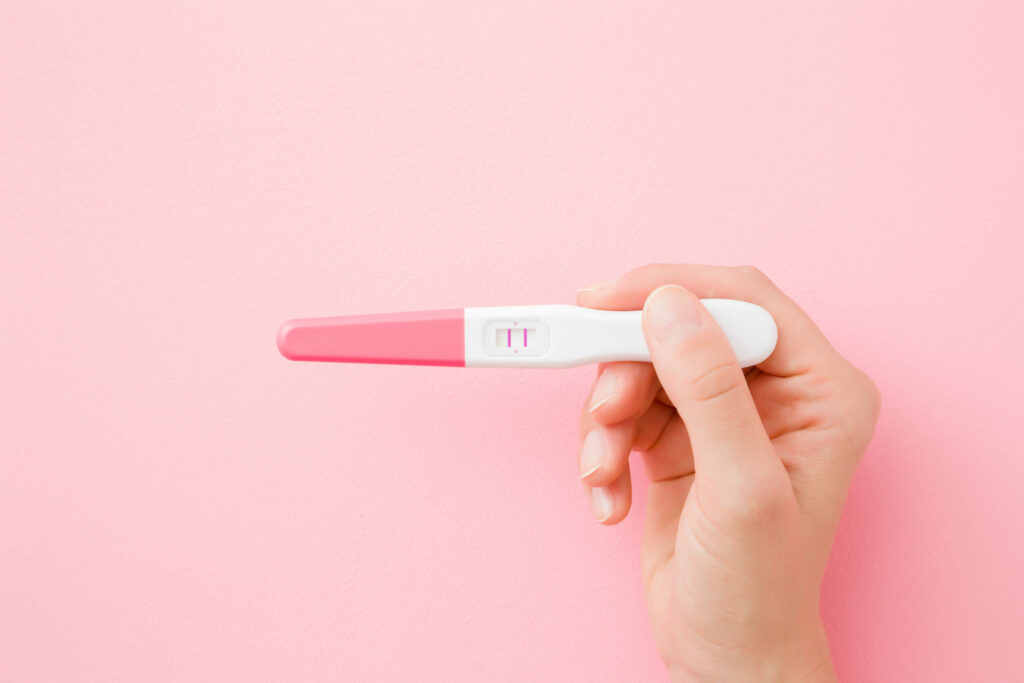
Infertility can be a physically and emotionally challenging experience. When pregnancy does not happen as expected, medical appointments and investigations may become more frequent, menstrual cycles can feel like a succession of waiting periods, and the journey itself can take a toll on everyday well-being.
During this time, some women look for complementary support to reconnect with their bodies, address physical discomfort and have a space where they feel listened to.
Osteopathy may be considered as a complementary approach alongside medical and gynaecological care. It does not replace fertility investigations or treatment.
Understanding infertility: a range of possible causes
Infertility can have several causes, including ovulation disorders, endometriosis, tubal problems, uterine conditions, reduced ovarian reserve and male fertility factors.
In some cases, no specific cause is identified despite appropriate investigations.
A medical assessment is therefore essential to identify any factors that may affect the chances of pregnancy. When relevant, both partners should be included in the fertility evaluation.
Osteopathy cannot diagnose the cause of infertility. It cannot treat blocked fallopian tubes, hormonal disorders or problems affecting egg or sperm quality.
How can osteopathy fit into a fertility journey?
Osteopathy takes a whole-body approach. During a consultation, attention may be given to physical discomfort, musculoskeletal tension, pelvic and spinal mobility, breathing patterns and overall bodily comfort.
Treatment is tailored to each woman’s needs, symptoms and medical history. Depending on the assessment, it may address areas of tension or discomfort around the pelvis, diaphragm, abdomen or back.
The aim is not to reposition reproductive organs or mechanically stimulate fertility. Rather, osteopathy offers individualised hands-on care that respects the body and its limitations.
Fertility, stress and emotional well-being
A fertility journey can involve uncertainty, waiting and disappointment. Medical appointments, hormonal treatments and the different stages of assisted reproductive technology (ART) may affect sleep, energy levels, physical tension and emotional well-being.
However, stress should not be regarded as the automatic cause of infertility. Women should never be made to feel responsible for difficulties conceiving because they are supposedly too stressed.
An osteopathic consultation can provide time to slow down, express concerns and pay attention to physical sensations. Depending on individual needs, gentle manual techniques and breathing work may help promote relaxation and physical comfort.
The purpose is to support well-being, not to claim a proven improvement in the chances of conception.
Osteopathy and IVF: support at different stages
During an assisted reproduction journey, some women may wish to receive complementary support at different stages: before ovarian stimulation, during treatment or after an attempt.
Every situation is different. Any consultation should take into account the medical schedule, current treatment, symptoms and advice provided by the fertility team.
Manual techniques should remain gentle and appropriate. If you are undergoing treatment, experiencing unusual pain or complications, or have been given specific medical instructions, it is important to consult your fertility team before receiving manual treatment.
Osteopathy does not replace specialist fertility care, and no osteopathic technique can guarantee embryo implantation or pregnancy.
An individualised approach to care
There is no standard osteopathic protocol for infertility. Every woman has her own history, medical background, experience and expectations.
The consultation begins with a discussion about your fertility journey, previous investigations, any current treatment and the support you are looking for.
The approach is then adapted to your needs and comfort. It may include attention to:
- Pelvic, back and abdominal tension.
- Breathing comfort and diaphragm mobility.
- Physical discomfort associated with your fertility journey.
- Fatigue, sleep and the need for relaxation.
This whole-body approach is intended as complementary support alongside appropriate medical care.
When should you consider seeing an osteopath?
You may consider an osteopathic consultation if you would like complementary support during your fertility journey, particularly if you experience physical tension, pain or discomfort.
However, it is important not to delay medical investigations when pregnancy does not occur. If you are having difficulty conceiving, have irregular menstrual cycles, a history of gynaecological conditions or known risk factors, speak to your GP, gynaecologist or midwife.
Osteopathy and fertility support in Aix-en-Provence
As a qualified osteopath (Ostéopathe D.O.), I offer individualised support for women in Aix-en-Provence and Cadenet, including those navigating questions around fertility and conception.
Each consultation takes into account your personal history, your needs and your medical journey. My approach combines attentive listening with adapted manual techniques, as a complement to gynaecological or specialist fertility care.
The aim is to give you time to care for your body and improve your physical comfort, without making promises about fertility outcomes.
Would you like complementary support during your fertility journey? Consultations are available by appointment.
Read next

Uncategorized
Osteopathy and Stress: Understanding How Stress Affects Your Body in Aix-en-Provence


Femme & maternité