Menopause often comes with many hormonal and circulatory changes. Among the most common symptoms, many women describe:
- heavy legs;
- water retention;
- swelling;
- a feeling of a “congested body”;
- an increase in volume that is hard to explain;
- circulatory fatigue.
Lymphatic drainage is attracting more and more attention as a way to improve comfort during this period of hormonal transition.
Why does menopause cause water retention?
At menopause, hormonal variations, in particular the drop in oestrogen, can affect:
- venous circulation;
- the distribution of fluids;
- tissue quality;
- low-grade inflammation;
- lymphatic return.
As a result, some women notice more swelling in:
- the legs;
- the ankles;
- the abdomen;
- the arms;
- the face.
A sedentary lifestyle, stress, sleep disorders or reduced physical activity can also accentuate these sensations.
What is the role of the lymphatic system?
The lymphatic system contributes to the circulation of fluids and the elimination of the body’s waste.
When it works less efficiently, several signs can appear:
- a feeling of heaviness;
- swelling;
- tiredness;
- a feeling of stagnation;
- slower recovery.
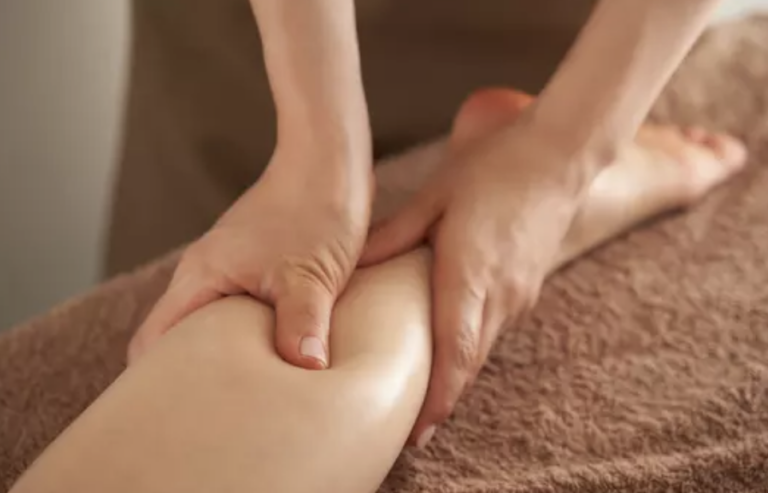
Lymphatic drainage aims to stimulate this circulation using gentle, rhythmic manual techniques.
The benefits of lymphatic drainage during menopause
Many women consult to improve their comfort and regain a feeling of lightness.
Lymphatic drainage can help to:
Reduce the feeling of heavy legs
Menopause can accentuate circulatory discomfort, especially at the end of the day or in hot weather.
Reduce water retention
Some women notice a diffuse feeling of swelling despite a balanced diet.
Support recovery
Physical tiredness, slower recovery after sport or a feeling of tension can be improved by better circulation.
Bring a feeling of relaxation
Gentle manual techniques often promote deep relaxation of the nervous system.
Improve overall comfort
Many patients describe a feeling of lightness and greater bodily comfort after sessions.
Lymphatic drainage and osteopathy: a whole-body approach
In osteopathy, drainage is part of whole-body care.
The work may include:
- the diaphragm;
- breathing;
- the pelvis;
- abdominal tension;
- tissue mobility;
- venous and lymphatic circulation.
The aim is to support the functional disorders associated with menopause and to improve the body’s overall balance.
A few tips to limit water retention during menopause
Alongside the sessions, certain habits can help:
move regularly;
walk;
avoid sitting for long periods;
stay well hydrated;
limit excess salt;
breathe fully;
practise an appropriate physical activity.
When to consult?
A consultation may be worthwhile if you experience:
- heavy legs;
- swelling;
- a feeling of stagnation;
- circulatory discomfort;
- bodily fatigue;
- water retention linked to hormonal changes.
In the event of significant pain, sudden oedema or a known circulatory condition, medical advice remains essential.
Consultations in Aix-en-Provence and Cadenet
I support you with a whole-body approach adapted to the functional disorders linked to menopause, circulation and water retention.
Consultations in Aix-en-Provence and Cadenet.
FAQ: lymphatic drainage and menopause
Can lymphatic drainage help during menopause?
Lymphatic drainage can help improve circulatory comfort and the feeling of water retention often experienced during menopause. Many women consult for heavy legs, swelling or a feeling of congestion linked to hormonal changes.
Why is there more water retention at menopause?
The drop in oestrogen can affect venous and lymphatic circulation. This can lead to a feeling of swelling, particularly in the legs, abdomen or ankles.
What are the signs of poor lymphatic circulation?
Some people experience:
- heavy legs;
- swelling;
- a feeling of stagnation;
- bodily fatigue;
- slower recovery after exercise.
How often should you have lymphatic drainage?
Frequency depends on needs and symptoms. Some people consult occasionally, others opt for more regular support depending on hormonal periods or circulatory discomfort.
Does lymphatic drainage help with heavy legs?
Yes, drainage techniques and circulatory approaches can help improve the feeling of lightness and comfort in the legs.
Can lymphatic drainage be done in osteopathy?
The osteopath can use circulatory and drainage techniques for functional disorders and as part of a whole-body approach.
Read next
Everyday wellbeing